 He was tall, had curly hair, and that’s about all I remember. But when his wife joined our music club last year, she looked vaguely familiar, her last name matched his, and then I remembered her too. She was friends with my mother, and he was my Vice Principal in junior high school. It has been nearly forty years since I was a student there.
Today our music group shared music with each other, and we met in her home. Earlier this week I was trying to decide what to play on the piano. Last night I decided on one of my favorites; Intermezzo Opus 118, No. 2, by Brahms. As it turned out, from our small group of ten musicians, another pianist had chosen that exact piece to play. So we each played our own interpretation. Then our host told us that her husband downloaded this piece and listened to it every day until he died. She said it brought him comfort and peace.
It is like a love song of our God, who like a devoted mother, cradles us tenderly and loves us dearly. ~Joyce Rupp
I lift up my eyes to the hills – from where will my help come? My help comes from the LORD, who made heaven and earth. He will not let your foot be moved; he who keeps you will not slumber. He who keeps Israel will neither slumber nor sleep. The LORD is your keeper; the LORD is your shade at your right hand. The sun shall not strike you by day, nor the moon by night. The LORD will keep you from all evil; he will keep your life. The LORD will keep your going out and your coming in from this time on and forevermore. –Psalm 121

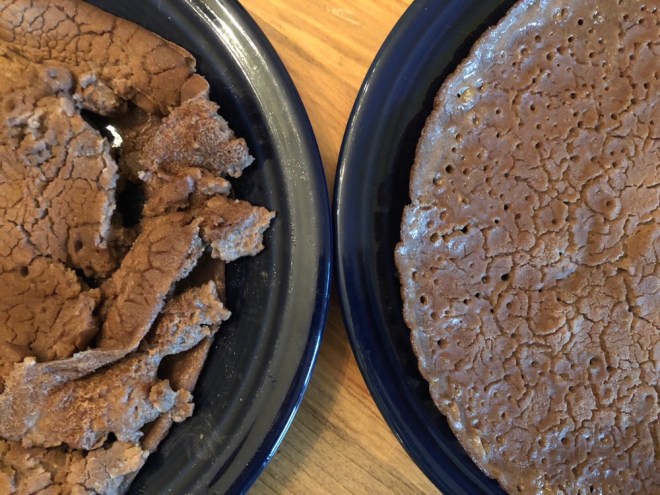

 Today, September 17, is the feast day of St. Hildegard, when it is tradition to make Hildegard’s Cookies of Joy (circa 1157). I chose Hildegard as my patron saint name when I became a Benedictine oblate last year, and I’ve been looking forward to this day.
  The sun’s light looks a little different on this wall than it does on that wall, and a lot different on this other one, but it is still one light. ~Rumi

 You might be a “breadie” if…while texting a friend, you type in a few letters and your iPhone autocorrects to a German bread called Weltmeisterbrot. Yes, I have been immersed in making bread for World Communion on October 7, but doing this brings me life. Everything about it is life-giving, from the excitement of deciding which bread to make, to researching its history and importance to the region, to preparation of ingredients, mixing and kneading the dough, baking, smelling the transformed goodness, and then sharing this goodness with others. Over the years, I have made some loaves which I’m not as fond of, mostly because I haven’t acquired a taste for this unfamiliar bread that isn’t part of my history. Tasting different grains and flours like Teff and Kamut, acorn and chestnut, experiencing textures from airy to dense, my world opens up and is not as distant, and I feel more understanding toward people living in these regions. For many, bread is necessary to life; not only for food and nutrition, but for its tradition and symbolism. The Ethiopian Teff bread I have yet to retry (my first attempt failed miserably), is a lesson in conservation. This flatbread is used as a “plate” for stews and salads placed right on top, pieces of it are torn off to use as utensils, then when the stew is gone the rest of the bread is consumed. Bread is life.
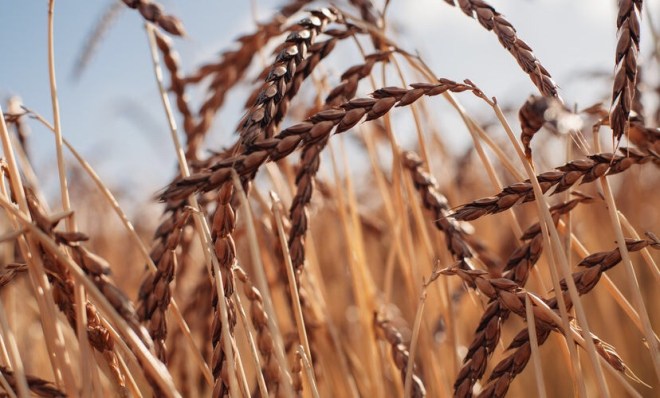 Today our staff gathered for lunch and sang to those celebrating their birthdays this month. I do like cake, but fresh bread is a fine dessert. I just made bread with an ancient grain called spelt. This grain from antiquity ages well, as it has survived for more than 9000 years. That’s quite a few birthdays!
 Bread for the Journey