
Earlier today someone told me she loves to cook, but baking doesn’t appeal to her because it is too exact and scientific. When someone shares their fear of working with yeast, I tell them yeast is very forgiving. Adding water that’s too hot can kill the yeast, but beyond that, measurements mostly have to do with the feel of the dough. And that takes practice. I prefer kneading by hand rather than machine so I can know the dough and learn how it is reacting to the environment.
I was thrilled when making pretzels today with our third through fifth grade students at church. Many of them remembered making pretzels last year for World Communion, so they have grown in dough knowledge. A few commented, upon entering the kitchen, how they loved the smell of the dough. We practiced relaxing the gluten, rolling the dough into 17-inch long ropes, shaping them into horseshoes, twisting the ends, and bringing them up to form praying arms with three holes symbolizing the Trinity. Each pretzel bathed in a baking soda and egg white wash before adding salt and baking. The students were captivated, cooperative, and inquisitive. I try to remember how important it is to create opportunities such as this; experiences engaging all of our senses, helping us teach and form positive impressions on our children.
 I’ve danced it. Have you? The first time I realized those innocent looking fruit-like balls on the sidewalk emitted an unpleasant odor, I found myself surrounded by them with no place to step. My feet moved with frenzied fancy footwork trying to avoid them. Lesson learned…look ahead on the path, especially in autumn; ginkgo seed season. During my walk today I was reminded of this experience as I sidestepped a few flattened, naked seeds.
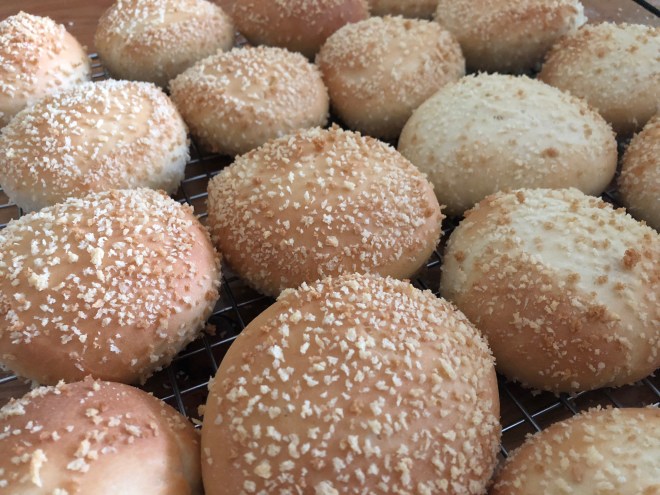
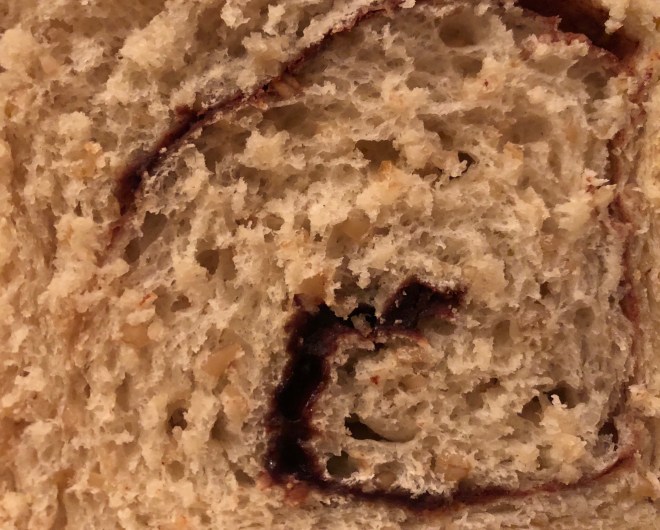
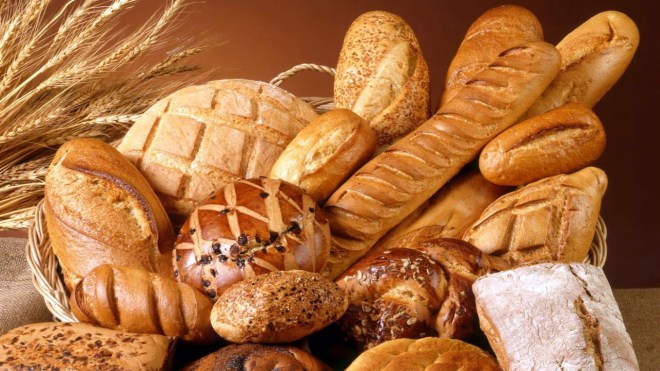 I am not comfortable in front of the camera, but a few days ago I was filmed for a Facebook promotion of our church’s World Communion Sunday. All week long I thought about what to say. Should I make notes so I don’t forget anything? I was so relieved to be staged in the kitchen where the bread could speak for me. Behind the dough I felt comfortable, and the words seemed to flow as the variety of breads took center stage. No cue cards “kneaded”. I don’t think of myself as a salesperson, but I do know that someone good in sales must know and believe in their product. I’m not selling anything, but I love to share things I’m passionate about. World Communion involves bread and faith. Score!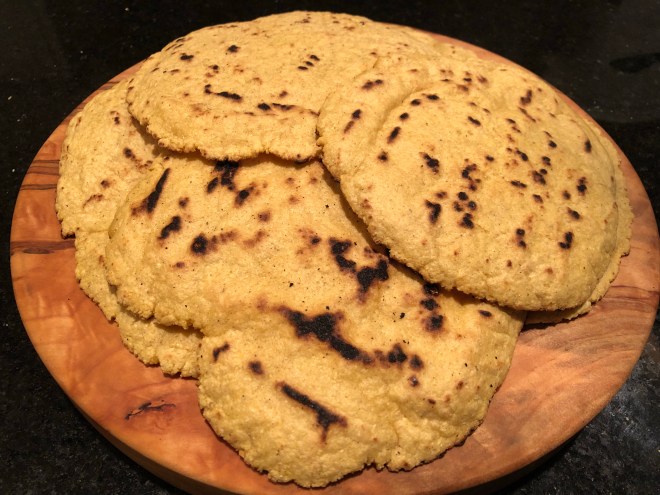
 God is not just with us, not just beside us, not just under us, not just over us, but within us, at the deepest level, and, in our inmost being, a step beyond the true Self. —Thomas Keating
 Today in Kindermusik I taught the children about steady beats by tapping our thighs and chanting, “Show me please, how you tap the beat, beat, beat, beat, show me please, how you tap the beat, beat, beat, beat”. Then we moved on to…..”tap your toes, toes, toes, toes….tap your knees….tap your hair….” and finally ending with, “Show me please, how you tap the air, air, air, air.” As we tapped the air, our voices were very quiet. I asked, “Can you feel the air?” We closed our eyes and thought about what the air might feel like. “Heavy, fluffy, warm, damp, and still” were some responses. I am not always aware of the air. If I pay attention to it more, I wonder what it would tell me.
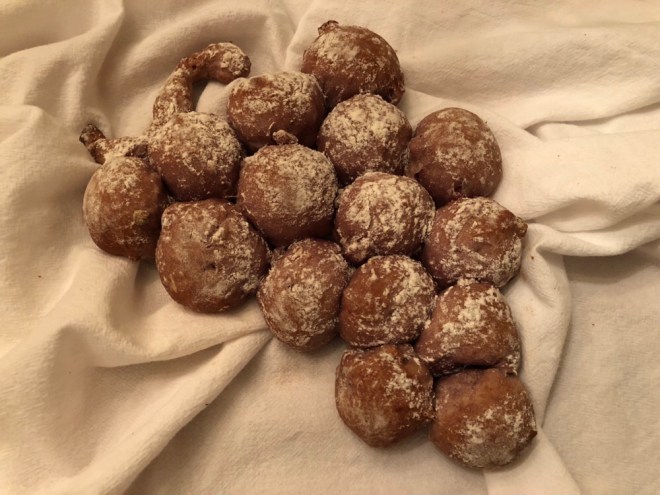
 Bread for the Journey